
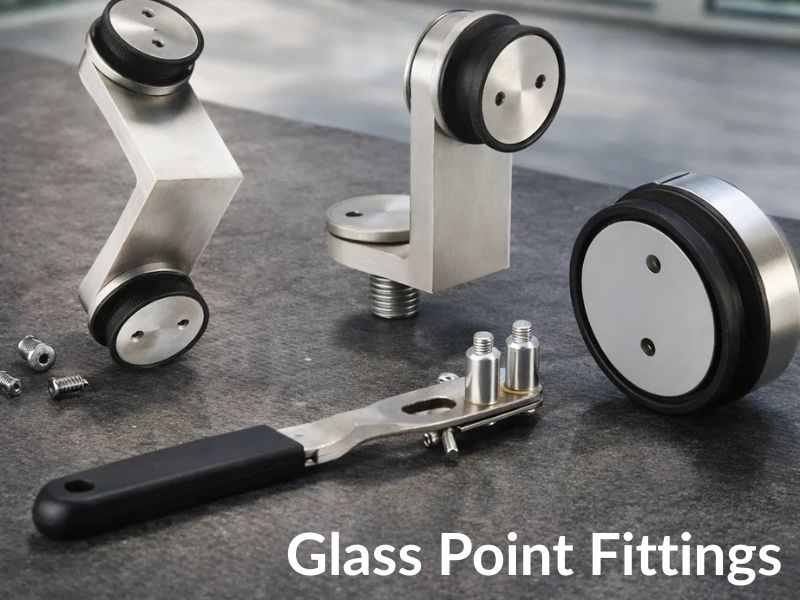
Modern architecture is defined by transparency, minimalism, and structural elegance. Glass has become one of the most important materials for contemporary buildings, offering openness, natural light, and visual continuity. However, the performance and safety of glass structures depend heavily on the hardware used to support them. Among the most critical components in structural glazing systems is the Glass Point Fitting.
Whether used in commercial facades, office partitions, or luxury residential spaces, glass point fittings ensure stability, aesthetics, and durability. Choosing the right Glass Point Fitting Manufactureris essential for architects, contractors, and project developers who want to achieve both functional and visual excellence.
This blog explores the importance, benefits, applications, and selection criteria for high-quality glass point fittings in architectural projects.
Understanding Glass Point Fitting in Modern Architecture
Glass point fittings are specialized hardware components designed to secure glass panels using minimal contact points. Unlike traditional frames, these fittings hold glass panels firmly while maintaining a frameless and clean appearance.
These fittings are typically used in:
- Structural glass facades
- Frameless glass doors
- Glass railings and balustrades
- Shower enclosures
- Glass partitions
- Canopies and skylights
The primary purpose of a Glass Point Fitting is to provide secure anchoring while preserving the transparency and aesthetics of the glass structure.
Why Glass Point Fitting Is Essential for Architectural Projects
Architectural glass installations require precise support systems that can withstand loads, environmental conditions, and long-term use. High-quality fittings offer several structural and design advantages.
1. Structural Strength and Safety
Glass panels can be heavy and fragile, especially when used in large architectural installations. High-grade glass point fittings ensure:
- Strong load-bearing capacity
- Secure panel positioning
- Reduced risk of glass movement or failure
- Long-term structural reliability
This makes them ideal for both interior and exterior installations.
2. Minimalist and Modern Appearance
One of the biggest advantages of using glass point fittings is the frameless aesthetic. These fittings allow architects to create clean and modern designs without bulky frames.
Benefits include:
- Enhanced visual openness
- Maximum light transmission
- Elegant and contemporary appearance
- Seamless integration with modern architecture
This is especially important in commercial buildings, luxury homes, and corporate offices.
3. Corrosion Resistance and Durability
Architectural hardware must withstand environmental exposure, including moisture, heat, and pollution. High-quality Glass Point Fitting products are typically made from stainless steel, ensuring:
- Resistance to corrosion
- Long service life
- Low maintenance requirements
- Reliable performance in outdoor environments
This makes them suitable for facades, balconies, and exterior glazing systems.
4. Flexibility in Architectural Design
Glass point fittings offer design flexibility, allowing architects to create customized glass structures.
They support various applications such as:
- Spider glazing systems
- Frameless glass walls
- Floating glass panels
- Structural glass facades
This flexibility enables innovative architectural concepts.
Applications of Glass Point Fitting in Architectural Projects
Glass point fittings are widely used across different architectural sectors.
Commercial Buildings
Modern commercial buildings rely heavily on glass facades to create professional and attractive environments.
Common uses include:
- Curtain wall systems
- Structural glass facades
- Office partitions
- Entrance glass doors
These installations enhance both functionality and visual appeal.
Residential Projects
Luxury residential designs incorporate glass for modern living spaces.
Applications include:
- Balcony railings
- Staircase glass panels
- Shower enclosures
- Glass room partitions
Glass point fittings help create elegant and safe living environments.
Retail and Showroom Spaces
Retail spaces require open and inviting designs to attract customers.
Glass point fittings are used for:
- Display glass walls
- Storefront glass panels
- Glass entrances
- Interior partitions
These fittings enhance product visibility and customer experience.
Hospitality and Public Spaces
Hotels, airports, malls, and public buildings use glass installations extensively.
Applications include:
- Lobby glass walls
- Decorative glass panels
- Glass railings
- Structural glazing systems
High-quality fittings ensure safety and durability in high-traffic areas.
Key Features of High-Quality Glass Point Fitting
Choosing the right fittings ensures long-term performance and safety.
Premium Material Quality
High-quality fittings are made from:
- Stainless steel 304 or 316
- Rust-resistant materials
- High-strength alloys
These materials provide durability and corrosion resistance.
Precision Engineering
Precision manufacturing ensures:
- Accurate fitting alignment
- Secure glass panel positioning
- Smooth installation
This improves both safety and performance.
Load-Bearing Capacity
High-quality fittings are designed to handle:
- Heavy glass panels
- Structural loads
- Environmental pressure
This ensures stability in all conditions.
Modern Finishes
Glass point fittings are available in various finishes, such as:
- Satin finish
- Mirror finish
- Matte finish
These finishes enhance architectural aesthetics.
Importance of Choosing the Right Glass Point Fitting Manufacturer
The quality of glass hardware depends heavily on the manufacturer. Choosing a reliable Glass Point Fitting Manufacturer ensures consistent quality and performance.
Consistent Product Quality
Trusted manufacturers use advanced manufacturing processes and quality control systems to produce reliable hardware.
This ensures:
- Uniform product performance
- Long-lasting durability
- Structural reliability
Advanced Manufacturing Technology
Leading manufacturers use modern equipment such as:
- CNC machining
- Precision polishing
- Quality testing systems
This ensures accuracy and superior finishing.
Customization Options
Architectural projects often require customized hardware solutions. A professional manufacturer provides:
- Custom sizes
- Multiple finishes
- Project-specific designs
This helps meet unique architectural requirements.
Compliance with Industry Standards
Reliable manufacturers follow global quality standards, ensuring:
- Safety compliance
- Structural performance
- International compatibility
This is essential for commercial and export projects.
How Glass Point Fitting Improves Structural Glazing Systems
Structural glazing is a key feature of modern architecture. Glass point fittings play a crucial role in supporting these systems.
Benefits include:
- Frameless glass appearance
- Strong structural support
- Improved load distribution
- Enhanced architectural design flexibility
These fittings allow architects to create visually striking buildings.
Installation Advantages of Glass Point Fitting
Glass point fittings are designed for efficient installation and maintenance.
Advantages include:
- Easy glass panel mounting
- Reduced installation time
- Secure anchoring
- Easy replacement if needed
This makes them practical for large-scale architectural projects.
Maintenance and Longevity
High-quality glass point fittings require minimal maintenance.
Maintenance tips include:
- Periodic cleaning
- Inspection for loose components
- Ensuring proper alignment
With proper care, these fittings can last for many years.
Role of Glass Point Fitting in Modern Indian Architecture
India’s architectural landscape is rapidly evolving, with increased demand for modern glass buildings in cities and urban developments.
Glass point fittings are widely used in:
- Commercial complexes
- Corporate offices
- Residential towers
- Shopping malls
Their strength, durability, and aesthetics make them ideal for modern construction.
Future Trends in Glass Hardware and Architectural Fittings
The demand for advanced glass hardware continues to grow due to modern architectural trends.
Key trends include:
- Frameless glass systems
- Smart building designs
- Sustainable architecture
- Minimalist structural solutions
Glass point fittings will continue to play a major role in these developments.
Why Choose Define Hardware for Glass Point Fitting
Define Hardware is committed to delivering high-performance architectural hardware solutions. With a focus on precision engineering, quality materials, and modern design, the company provides reliable fittings for architectural projects.
Key advantages include:
- Premium-grade materials
- Modern manufacturing processes
- Reliable performance
- Wide range of architectural hardware
- Suitable for commercial and residential projects
As a trusted Glass Point Fitting Manufacturer, Define Hardware delivers hardware solutions that meet modern architectural demands.
Conclusion
Glass has transformed modern architecture by enabling open, elegant, and visually appealing designs. However, the success of glass installations depends heavily on the quality of supporting hardware. High-quality Glass Point Fitting ensures structural safety, durability, and architectural beauty.
From commercial facades to residential interiors, these fittings play a critical role in supporting frameless glass systems. Choosing a reliable Glass Point Fitting Manufacturer ensures superior performance, long service life, and design flexibility. As architecture continues to evolve toward minimalist and transparent designs, glass point fittings will remain an essential component in creating safe, durable, and visually stunning architectural projects.